
What is the Function of an Egg?
-
- Provide texture, flavor, structure, moisture, and nutrition.
- Leaven and thicken items such as custards, pie filling, and sauces.
- Bind ingredients such as crumbs on breaded items or ingredients in dough or sauce.
- Enrich and tenderize breads and cakes.
- Extend the shelf life of some baked goods.
What Are the Differences Between Egg Grades?
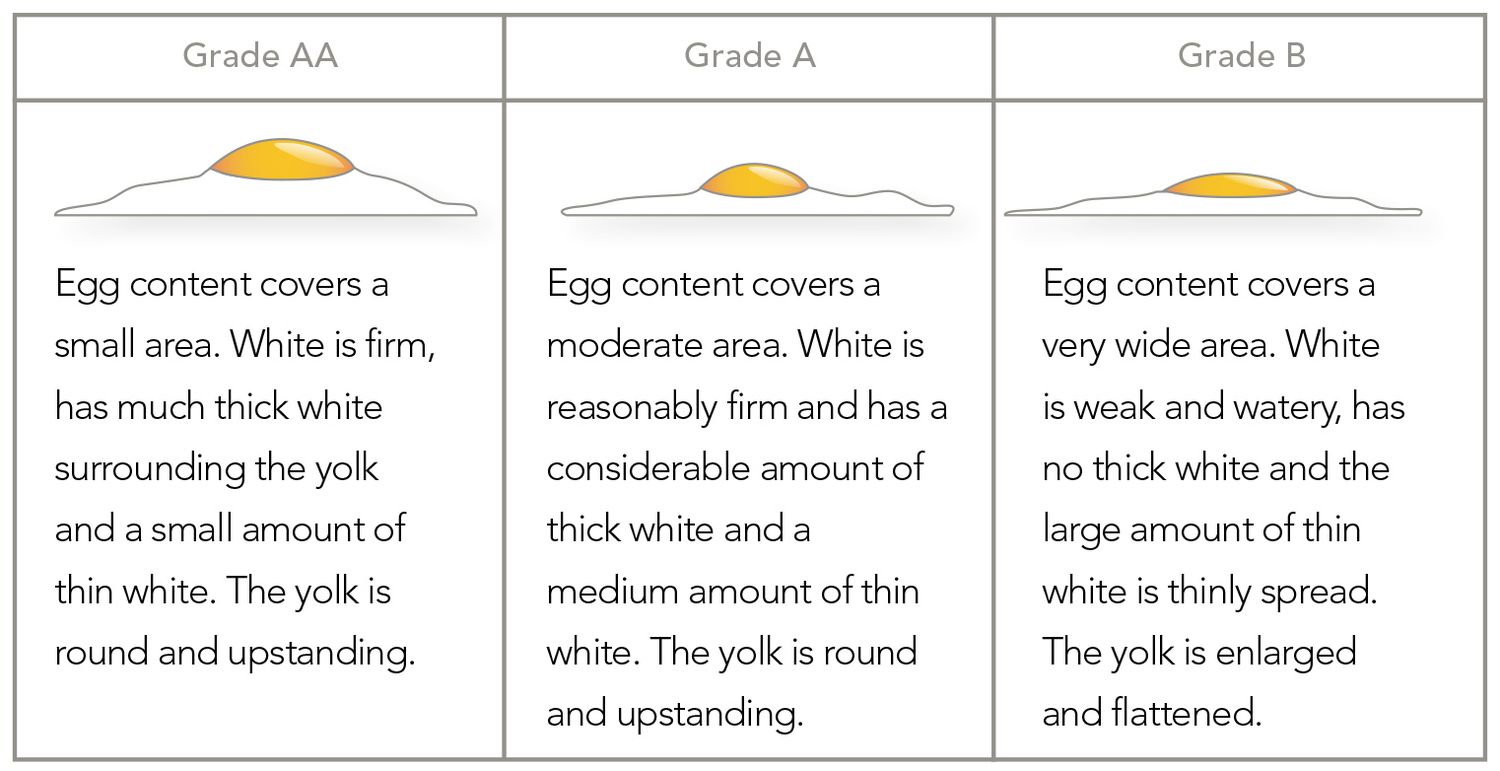
Eggs are graded by the USDA or a state agency following USDA guidelines. Eggs are graded based on their interior and exterior quality not by size. The different grades have no effect on its nutritional values. Eggs are categorized in three different grades:
-
- GRADE AA – Freshest and highest quality eggs.
- GRADE A – Very high quality eggs.
- GRADE B – Are used for breaking stock (liquid eggs) and baking
What Are the Different Sizes of Eggs?
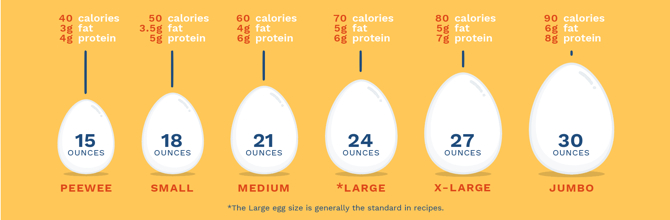
What is the Nutritional Value of an Egg?
Eggs contain vitamins A, D, E, K, and B-complex vitamins. They contain a small amount of cholesterol and rich minerals. According to new research, a whole egg does not impact serum cholesterol as much as we once thought. Egg whites do not contain cholesterol and are often used for omelets.
Alumni Story: Caitlyn Halcomb
Discover how to be affective leader in the kitchen. Learn the chef’s essential leadership qualities and implement them for success.
How to Be an Effective Leader in the Kitchen
Discover how to be affective leader in the kitchen. Learn the chef’s essential leadership qualities and implement them for success.
Books All Chefs Should Read, According to Professional Chefs
Contrary to what some people may believe, becoming a chef – least of all an excellent one – isn't...
The Highest Paying Culinary Jobs and Positions
The culinary world can be an exciting industry that many hope to join in the future. If you’re...
5 Culinary Skills to Take With You Wherever You Go
5 Culinary Skills to Take With You Wherever You Go By Celestina Blok What it takes to...
What Are the Different Types of Chefs?
If you’re good with your hands and always enjoy whipping up new recipes, the thought of becoming a...
Method
Boil
Time
15 Min.
Serves
8
Ingredients
________________
Garnish Options
-
- Parmesan Crisps
- Dried Spanish Chorizo
- Cornichon
- Balsamic Drizzle
- Dehydrated Olives
- Pine Nuts
- Bacon
Instructions
________________
Step 1
Place eggs in a medium saucepan; add cold water to cover by 1 inch. Bring to a full boil. Remove pan from heat; cover and let stand for 13 minutes. Drain, and run eggs under cold water to cool them.
Step 2
Meanwhile, in a medium bowl, mix together mayonnaise, mustard, vinegar, shallots, and hot sauce.
Step 3
Peel eggs, and slice in half lengthwise; remove yolks (leaving whites intact). Transfer yolks to bowl with mayonnaise mixture, and season with salt and pepper. Mash with a fork until smooth.
Step 4
Mound yolk mixture into whites. Sprinkle with paprika just before serving, or cover with plastic wrap and refrigerate for up to 8 hours.
Nutrition Information
Calories
89
Total Fat
7.7g
Saturated Fat
1.9g
Cholesterol
184mg
Carbohydrates
1.2g
Protein
3.3g
More Recipes
HOW TO: Mother Sauces
CSFTW Chef Instructor Mark Hitri demonstrates the proper technique for making the five French mother sauces.
Maki Sushi Recipe
Learn how to hand-roll and prepare a sushi roll.

Raspberry Soufflé with Raspberry Coulis
Homemade delicious and easy raspberry souffle with a raspberry coulis.
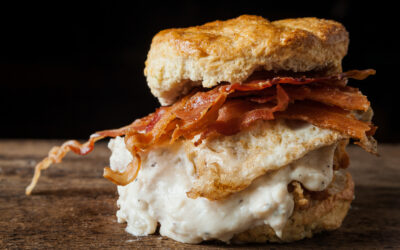
Country Biscuits
Light and fluffy, melt-in-your-mouth herbed country biscuits are seasoned with savory herbs.
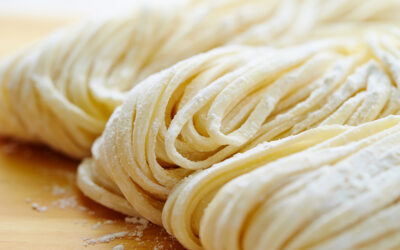
Fresh Pasta
Learn how to make fresh pasta, it is as easy as 1-2-3.
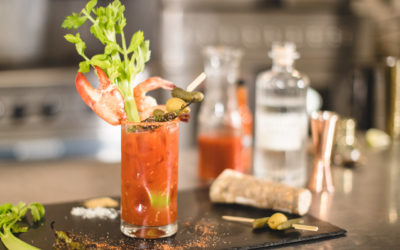
Seafood Extravaganza Bloody Mary
Looking for a spicy meal? Try this seafood extravaganza. It is both a drink and a meal!